

Table of Contents
- Start Before You Pick Up the Pen
- How to Personalize a Greeting Card With Shared Memories
- Greeting Card Message Examples: From Short to Long
- What to Write in a Thinking of You Card
- Balance Humor and Sincerity With a Personal Quote
- Overcome Writer's Block With a Simple Drafting Method
- The Closing Etiquette: Sign-Offs That Land Well
- Conclusion: Your Message Is the Gift
- Frequently Asked Questions
Last Updated: September 9, 2026
Writing a card that feels truly personal takes more than nice stationery. The best tips for writing heartfelt card messages start with a single shift in mindset: you are not filling a blank space, you are recreating a moment you shared with someone. At Barone & Co., we craft messages that turn paper into connection, and a common mistake we see is people starting too late, treating the card as an afterthought rather than the gift itself.
The real secret is that sincerity is a skill, not a mood (apa.org). You do not wait for inspiration to strike; you create the conditions for it. Below, we will walk through a practical method for writing heartfelt card messages that actually sound like you, with examples you can adapt for birthdays, sympathy, or a simple thinking of you note.
Start Before You Pick Up the Pen
The single most effective habit is to think about the recipient for a few minutes before you write a single word. Close the card, set the pen down, and ask yourself what this person is navigating right now, whether it is a promotion, a loss, or just a Tuesday that feels heavy. This reflection period is where genuine sentiment is born.
A common approach is to jot down three quick notes on scrap paper: one specific memory, one quality you admire in them, and one reason you are writing today. This gives you raw material to draw from, so you are never staring at a blank page trying to manufacture warmth.
How to Personalize a Greeting Card With Shared Memories
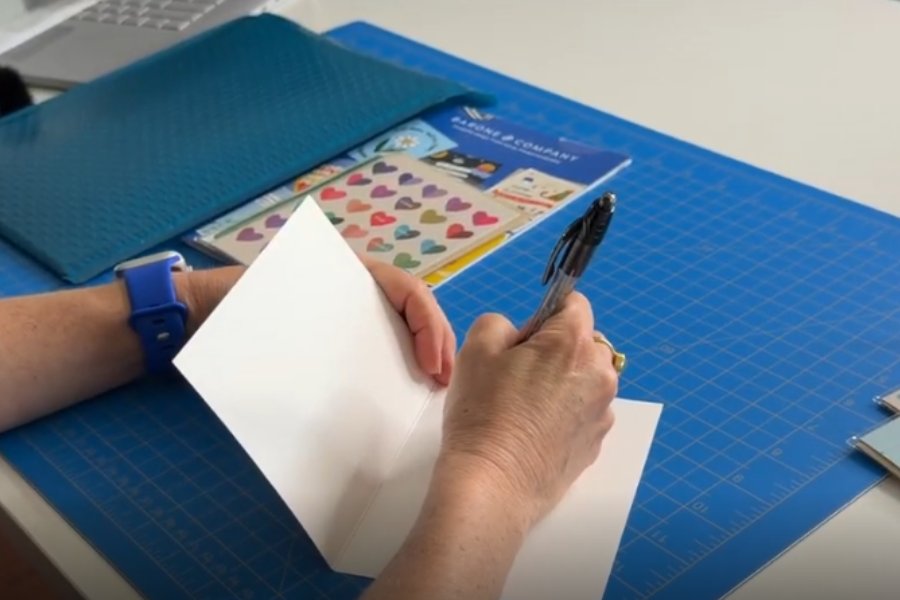
The fastest way to personalize a greeting card is to reference a specific, shared moment rather than a general compliment. Instead of writing "you are a great friend," write "I still laugh thinking about that failed camping trip where we pitched the tent backward." Specificity means more because it creates emotional resonance and proves you pay attention.
The memory does not need to be monumental; small, mundane moments often carry the most warmth. When you include a detail only the two of you would know, the card transforms into a keepsake.
Greeting Card Message Examples: From Short to Long
If you are unsure where to begin, these greeting card message examples offer a starting point that balances brevity with genuine feeling. For a short note, try: "Thinking of you and hoping today feels a little lighter." This works because it is supportive without demanding a response.
For a longer message, structure it in three parts: an opening that names the occasion, a middle that shares a memory or quality, and a closing that looks forward. A complete example might read: "Happy birthday to someone who makes ordinary days feel special. I still remember our road trip last spring and how you talked to every dog we passed. I am so glad you are in my life, and I cannot wait for the next adventure." This format gives you a reliable skeleton for any occasion.

What to Write in a Thinking of You Card
A thinking of you card occupies a unique space because it has no agenda and no expected response. The best messages acknowledge the person's current situation without trying to fix it. Phrases like "I have been carrying you in my thoughts," “You’re not alone,” or "No need to reply, just wanted you to know I care" offer comfort without pressure.
The key to a thoughtful message here is vulnerability. Admitting you do not have the right words is often more touching than pretending you do. Writing "I am not sure what to say, but I am here" is honest and supportive, and it gives the recipient permission to feel whatever they are feeling. This approach is especially valuable during difficult times when empathy matters more than eloquence. Another thing I love to do is simply take a moment to think about the person and how I feel about them. Then I write what I would say to them out loud, or maybe even what I might be embarrassed to say out loud, but know they need to hear.
Balance Humor and Sincerity With a Personal Quote
The most memorable cards often pair a heartfelt core with a touch of humor, but the balance matters. Open with a funny greeting card to create an instant smile. Then add an inside joke that eventually makes its way to a genuine sentiment by the end.
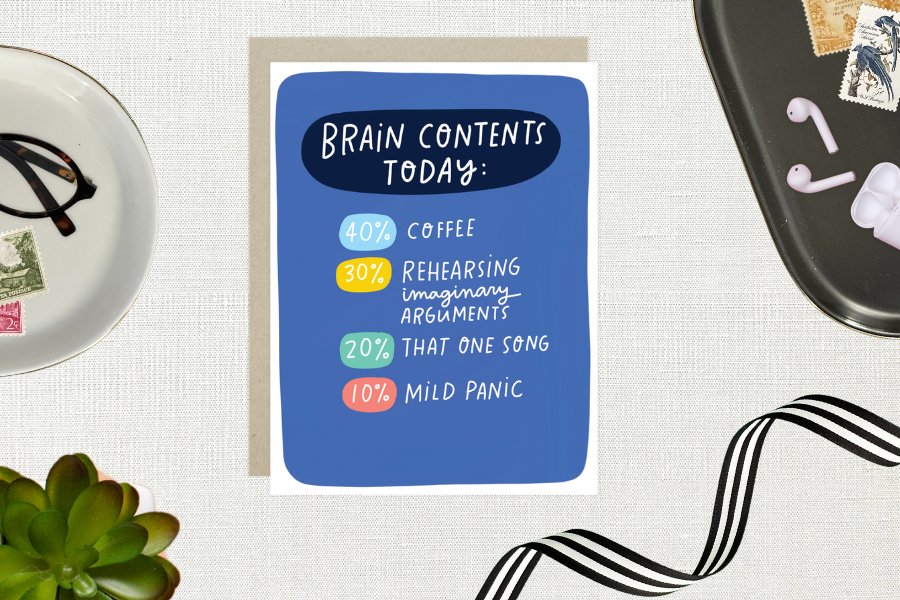
When selecting a quote, choose one that reflects your actual relationship rather than a generic sentiment. A line from a movie you watched together or a song lyric that defined a season of your friendship will land with more impact than a famous quotation from a stranger. The goal is authenticity, not eloquence.
Overcome Writer's Block With a Simple Drafting Method
Writer's block usually stems from trying to write the perfect sentence on the first attempt (peer-reviewed research). Instead, draft freely on a separate piece of paper, writing everything that comes to mind without judging it. This unfiltered draft often contains the most genuine phrases, buried under the pressure of perfection.
After drafting, step away for ten minutes, then return to edit with a clear head. You will likely find one or two sentences worth keeping, and you can cut the rest without guilt. This drafting and editing cycle separates the creative process from the critical one. The final message will feel natural because it was not forced.
The Closing Etiquette: Sign-Offs That Land Well
The sign-off is the last thing your recipient reads, and it sets the tone for how they remember the card. Avoid generic closings like "sincerely" or "best," which feel transactional. Instead, match the closing to the body of your message and your relationship with the recipient.
For close friends and family, closings like "with so much love," "forever your friend," or "warmly" feel appropriate. For more formal relationships, "with appreciation" or "thinking of you" strikes the right balance. A thoughtful closing acknowledges the connection you share and leaves the reader with a sense of warmth, making the entire message feel complete.
Conclusion: Your Message Is the Gift
A heartfelt card message is not about finding the perfect words; it is about showing up with intention. When you take the time to reflect, personalize, and write with genuine feeling, the card itself becomes a cherished keepsake that brightens someone's day long after they have read it.
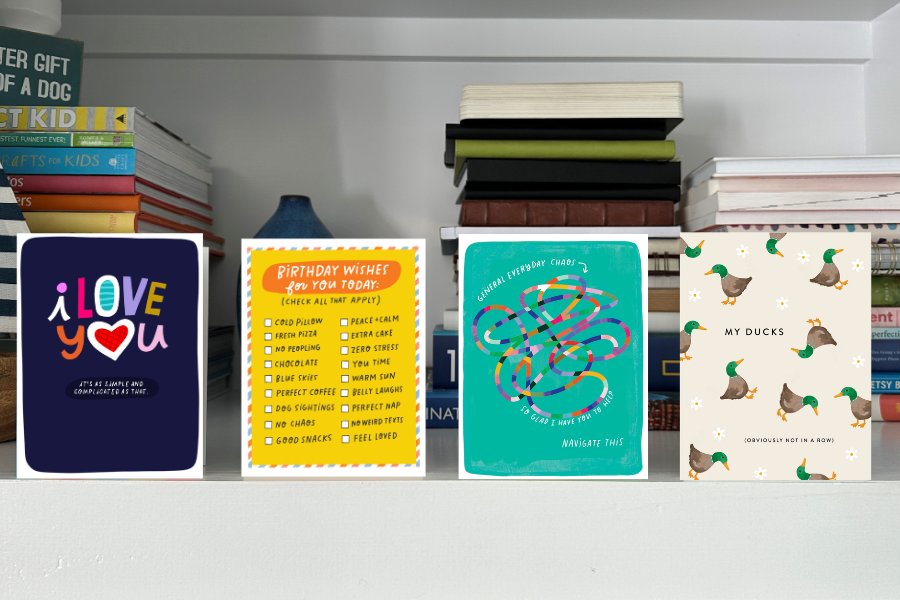
At Barone & Co., we believe the message matters as much as the paper it is printed on. Our award-winning cards are designed to give you a beautiful starting point, with inclusive and quick-witted messages on sustainably produced, eco-friendly paper, so your thoughtful words can do the rest. Shop now and find the perfect card to carry your message.
Frequently Asked Questions
How do you start a heartfelt card?
Start with a direct, personal greeting that names the recipient and your relationship. Instead of a generic 'How are you?', open with a specific thought, like 'Thinking of you today after our long talk' or 'Remembering our trip to the coast.' This immediately signals that the message is for them, not a copy-paste line. This approach works for any heartfelt card messages, whether you're writing a note of gratitude or a sympathy card.
What is an uplifting message I can write on a card?
An uplifting message focuses on the recipient's strength and your belief in them. Try a line like, 'I know this season is hard, and I am so impressed by how you keep showing up for your family.' This is more meaningful than a vague 'Stay positive!' because it acknowledges their specific effort. For a thinking of you card, you could add a shared memory to boost the emotional resonance and remind them of happier times.
What should you write in a card when you don't know what to say?
Acknowledge the awkwardness and focus on your presence. A simple, honest line like, 'I don't have the right words, but I want you to know I'm here for you,' is deeply supportive. You can then share a brief, positive memory to show you care without forcing a solution. This removes the pressure to be profound and lets your genuine empathy come through, which is often the most appreciated sentiment.
How do you write beautifully on a card?
Write beautifully by focusing on legibility and sincerity, not perfect calligraphy. Use a pen that doesn't smudge and write on a flat surface. If your handwriting is messy, practice your message on scrap paper first to plan the spacing. The physical act of writing a handwritten note is more important than perfect penmanship. The recipient values the time you took, so focus on clear, thoughtful words over artistic lettering.
Leave a comment